Posts

What is scoliosis? How can you prevent scoliosis?

 Scoliosis is a medical condition characterized by an abnormal sideways curvature of the spine. Instead of a straight line down the middle of the back, a person with scoliosis may have a spine that curves to the side. This condition can develop in different age groups, but it most commonly begins during the growth spurt just before puberty. The causes of scoliosis can vary. Some cases are idiopathic, meaning the cause is unknown, while others may be due to congenital factors, neuromuscular conditions, or secondary to other health issues. Most cases of scoliosis are mild, but more severe cases can lead to health problems if left untreated. Preventing scoliosis is challenging because many cases are idiopathic and have unknown causes. However, there are a few general guidelines that may contribute to maintaining spine health: Maintain a healthy lifestyle: Engage in regular physical activity to strengthen the muscles that support the spine. Exercises that focus on core strength and fl...
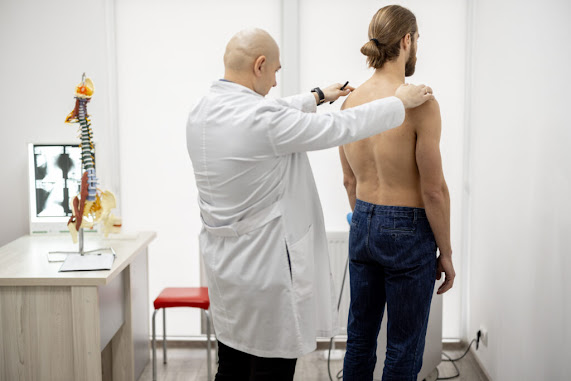
Navigating Life with Adult Scoliosis

Image
  Adult scoliosis is a spinal condition that affects individuals beyond their adolescent years, presenting unique challenges and considerations. While scoliosis is commonly associated with adolescence, it can also manifest or progress later in life. In this blog post, we will explore the key aspects of adult scoliosis, including its causes, symptoms, diagnosis, and various strategies for managing and thriving with this condition. Understanding Adult Scoliosis: 1. Causes and Types: Explain the common causes of adult scoliosis, including degenerative changes, genetic factors, or the progression of untreated adolescent scoliosis. Briefly touch upon the different types of adult scoliosis, such as degenerative scoliosis, idiopathic scoliosis, and secondary scoliosis. 2.  Symptoms: Discuss the potential symptoms associated with adult scoliosis, such as back pain, stiffness, and changes in posture. Emphasize the importance of early detection and seeking medical attention for a proper...

Understanding the Causes of Scoliosis

Image
Scoliosis is a medical condition that affects the curvature of the spine, causing it to bend sideways. It is a prevalent condition, particularly among adolescents, but can occur in individuals of all ages. While scoliosis is a well-known condition, its causes are still a subject of ongoing research and debate. In this blog, we will delve into the various factors that may contribute to the development of scoliosis and gain a better understanding of this condition. Idiopathic Scoliosis Idiopathic scoliosis is the most common type, accounting for about 80% of all scoliosis cases. The term "idiopathic" means that the exact cause is unknown. However, researchers have identified several risk factors that may play a role in its development: Genetics: Family history appears to be a significant factor, as scoliosis often runs in families. If a close relative has scoliosis, the risk of developing it is higher. Growth Spurts: Scoliosis often develops during growth spurts, such as the...

Scoliosis and Pregnancy

Image
Scoliosis is a medical condition characterized by an abnormal sideways curvature of the spine. If you have scoliosis and are considering pregnancy, it's essential to understand how the condition may impact your pregnancy and how pregnancy might affect your scoliosis. Consult with Healthcare Providers: Before attempting to get pregnant, it is crucial to have a thorough discussion with your healthcare providers, including your primary care doctor and an obstetrician/gynecologist (OB/GYN). They can assess the severity of your scoliosis, its progression, and any potential risks or complications during pregnancy. Impact on Pregnancy: In most cases, scoliosis does not directly affect a woman's ability to conceive or carry a pregnancy to term. However, severe scoliosis or complications related to the curvature of the spine might impact the space available for the growing uterus, potentially leading to discomfort or issues during pregnancy. It's essential to monitor the progressio...

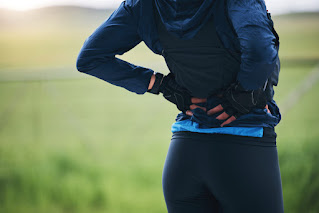
Effective Strategies for Managing Scoliosis Pain: A Comprehensive Overview

Image
  Introduction Scoliosis is a spinal condition characterized by an abnormal curvature of the spine. While the severity of scoliosis can vary, one common issue experienced by individuals with this condition is chronic pain. Scoliosis-related pain can significantly impact a person's quality of life, making it crucial to explore various treatment options. In this article, we will discuss some effective strategies for managing scoliosis pain . Physical Therapy and Exercise Physical therapy plays a vital role in managing scoliosis pain. A skilled physical therapist can design a customized exercise program to strengthen the muscles surrounding the spine, which helps support proper alignment. These exercises may include stretching, strengthening, and conditioning routines. Physical therapy can also improve flexibility and posture, reducing discomfort caused by scoliotic curvature. Pain Medications Over-the-counter nonsteroidal anti-inflammatory drugs (NSAIDs) such as ibuprofen or naproxe...

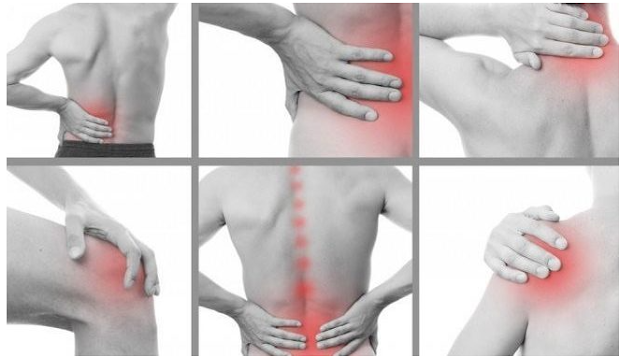
What Are the Signs of Scoliosis?

Image
Scoliosis is a medical condition in which the spine curves abnormally to the side, rather than running straight up the middle of the back. This curvature can occur in different parts of the spine, and can vary in severity. In some cases, scoliosis is mild and requires no treatment, while in other cases it can be severe and require medical intervention. Scoliosis can occur at any age, but it most commonly develops during childhood and adolescence. In some cases, the cause of scoliosis is unknown (idiopathic scoliosis), while in others it can be caused by factors such as birth defects, neuromuscular conditions, or injuries. The signs and symptoms of scoliosis can vary depending on the severity and cause of the condition. Here are some common signs of scoliosis: Uneven shoulders: One shoulder may be higher than the other. Uneven waist: One hip may be more prominent than the other. A prominent shoulder blade: The shoulder blade on one side may stick out more than the other. Leaning to one...

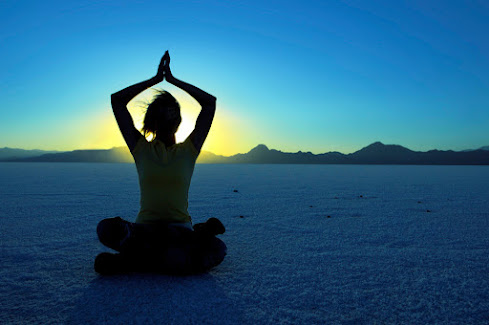
Best Yoga for Scoliosis

Image
  Scoliosis is a condition that affects the curvature of the spine. It can range from mild to severe and can cause discomfort, pain, and limited mobility. Yoga can be a helpful practice for individuals with scoliosis as it can help improve posture, increase flexibility, and reduce pain. In this blog, we will explore the benefits of yoga for scoliosis and some yoga poses that can be helpful. Benefits of Yoga for Scoliosis : Improves Posture: Scoliosis can cause the shoulders and hips to become uneven, which can result in poor posture. Yoga can help improve posture by strengthening the muscles around the spine and increasing body awareness. Increases Flexibility: Tight muscles can contribute to scoliosis-related pain. Yoga can help increase flexibility in the muscles around the spine, which can help reduce pain. Reduces Pain: Yoga can help reduce pain associated with scoliosis by increasing blood flow, reducing tension in the muscles, and promoting relaxation. Yoga Poses for Scoliosi...