Posts

Showing posts with the label Scoliosis

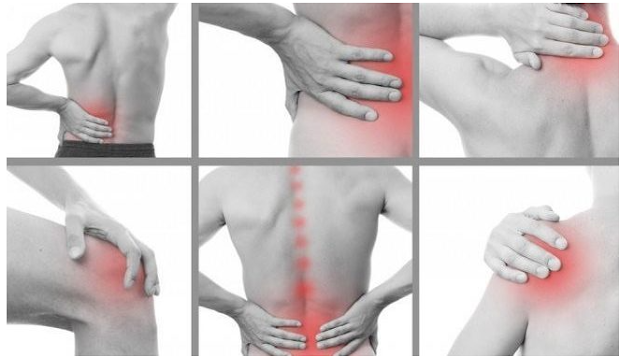
Scoliosis Pain Causes and Treatment

Image
  Scoliosis is a medical condition characterized by an abnormal lateral curvature of the spine. While mild scoliosis may not cause significant discomfort, moderate to severe cases often lead to pain and other complications. Understanding scoliosis pain and how to manage it effectively is crucial for improving quality of life. Causes of Scoliosis Pain Pain associated with scoliosis can result from various factors, including: Muscle Strain – The spinal curvature can cause muscle imbalances, leading to overuse and strain on certain muscle groups. Nerve Compression – In severe cases, spinal misalignment may compress nerves, resulting in pain, numbness, or tingling sensations. Joint Degeneration – The uneven distribution of weight and pressure on the spine can contribute to early wear and tear of the spinal joints. Inflammation – Chronic inflammation around the spinal region can lead to persistent discomfort and stiffness. Symptoms of Scoliosis Pain Scoliosis pain can manifest ...

Scoliosis Symptoms: Early Signs, Progression, and When to Seek Help

 Scoliosis is a condition where the spine curves sideways in an abnormal manner, often in an “S” or “C” shape. While it can develop at any age, it most commonly appears during childhood or adolescence. The symptoms of scoliosis vary based on the severity of the curvature, ranging from mild postural changes to significant spinal deformities that affect mobility and organ function. Identifying the symptoms early can help in managing the condition effectively and preventing complications. This article explores the common symptoms of scoliosis , how they progress , and when to seek medical attention . Common Symptoms of Scoliosis 1. Uneven Shoulders One of the earliest and most visible signs of scoliosis is uneven shoulders. A person with scoliosis may appear to have: One shoulder higher than the other A noticeable tilt when standing straight Clothing that fits unevenly, such as one sleeve appearing longer than the other This occurs due to the curvature of the spine pulling one side of...

Mild Scoliosis Treatment

 Mild scoliosis, characterized by a spinal curve of less than 20 degrees, is a condition that often goes unnoticed in its early stages. However, timely diagnosis and management are essential to prevent progression and maintain spinal health. This article delves into various treatment options for mild scoliosis, providing a detailed understanding of each approach. 1. Observation and Regular Monitoring For individuals diagnosed with mild scoliosis, observation is often the first line of action. This non-invasive approach ensures that the condition does not progress unnoticed. Periodic X-rays: X-rays are taken at intervals of 6 to 12 months to measure the degree of spinal curvature. This helps in tracking any changes over time. Clinical Assessments: Regular check-ups with an orthopedic specialist or physical therapist can identify subtle signs of worsening, such as changes in posture, shoulder alignment, or gait. 2. Physical Therapy Physical therapy plays a crucial role in managing ...

Boston Brace For Scoliosis

Image
The Boston Brace is one of the most commonly prescribed braces for treating scoliosis, specifically designed to manage moderate curves in the spine. It is used primarily for adolescents who have idiopathic scoliosis, where the curvature of the spine tends to worsen during growth spurts. Here's a detailed overview of the Boston Brace and its role in scoliosis treatment: What is the Boston Brace? The Boston Brace is a type of thoracolumbosacral orthosis (TLSO) , which is a custom-made device designed to correct spinal deformities. It works by applying pressure to specific areas of the body to hold the spine in a straighter position, while leaving room for the body to grow. The brace extends from just under the arms to the pelvis, covering the lower back and torso. Purpose and Functionality The main goal of the Boston Brace is to halt the progression of the spinal curve during the growth phase of adolescents. It is most effective when worn during the rapid growth period, generally i...

Symptoms Of Scoliosis

Image
 Scoliosis is a medical condition characterized by an abnormal curvature of the spine, typically presenting as an “S” or “C” shape. While it can develop at any age, scoliosis is most commonly diagnosed during adolescence. Recognizing the symptoms of scoliosis early can be crucial for timely intervention and treatment. Here’s a detailed look at the symptoms: 1. Uneven Shoulders One of the earliest signs of scoliosis is uneven shoulders. A person with scoliosis might have one shoulder blade that appears more prominent or sits higher than the other. This asymmetry is often noticeable when standing or sitting straight. 2. Uneven Waist or Hips An uneven waist or hips is another common symptom. One hip may appear higher or more pronounced than the other. This misalignment often causes clothing to fit unevenly, such as pant legs or shirt hems appearing longer on one side. 3. Visible Curvature of the Spine As scoliosis progresses, a visible curvature of the spine becomes apparent. This cu...

How to Prevent Scoliosis?

Image
  Scoliosis is a condition characterized by an abnormal curvature of the spine, which can lead to discomfort and other health issues. While some cases of scoliosis are congenital or idiopathic (having no known cause), there are steps that can be taken to prevent or minimize the risk of developing scoliosis, especially in adolescents during their growth spurts. Here’s a comprehensive guide on how to prevent scoliosis: 1. Maintain Good Posture Importance of Posture: Good posture is crucial for spinal health. Slouching or hunching over can contribute to spinal misalignment over time. Tips for Good Posture: Sit with your back straight and shoulders back. Your buttocks should touch the back of your chair. When standing, distribute your weight evenly on both feet. 2. Regular Exercise Strengthening Core Muscles: Exercises that strengthen the core muscles, including the abdomen and back, can support the spine and improve posture. Recommended Exercises: Activities like swimming, Pilates, y...

Understanding Scoliosis in Children: Causes, Symptoms, and Treatment

Image
 Scoliosis is a common spinal condition that affects children and adolescents, characterized by an abnormal sideways curvature of the spine. This condition can vary in severity and can have different underlying causes. Early detection and appropriate management are essential to ensure the best outcomes for affected children. Let's delve into the details of scoliosis in children, including its causes, symptoms, diagnosis, and treatment options. What is Scoliosis? Scoliosis is a musculoskeletal disorder that causes an abnormal curvature of the spine. While some degree of curvature is normal, scoliosis involves a sideways curvature that exceeds 10 degrees as measured on an X-ray. The condition can develop at any age, but it most commonly appears during periods of rapid growth, such as childhood and adolescence. Causes of Scoliosis in Children The exact cause of scoliosis in children is often unknown and is referred to as idiopathic scoliosis. However, scoliosis can also be associated...

Effective Strategies for Managing Scoliosis Pain: A Comprehensive Overview

Image
  Introduction Scoliosis is a spinal condition characterized by an abnormal curvature of the spine. While the severity of scoliosis can vary, one common issue experienced by individuals with this condition is chronic pain. Scoliosis-related pain can significantly impact a person's quality of life, making it crucial to explore various treatment options. In this article, we will discuss some effective strategies for managing scoliosis pain . Physical Therapy and Exercise Physical therapy plays a vital role in managing scoliosis pain. A skilled physical therapist can design a customized exercise program to strengthen the muscles surrounding the spine, which helps support proper alignment. These exercises may include stretching, strengthening, and conditioning routines. Physical therapy can also improve flexibility and posture, reducing discomfort caused by scoliotic curvature. Pain Medications Over-the-counter nonsteroidal anti-inflammatory drugs (NSAIDs) such as ibuprofen or naproxe...

What Are the Signs of Scoliosis?

Image
Scoliosis is a medical condition in which the spine curves abnormally to the side, rather than running straight up the middle of the back. This curvature can occur in different parts of the spine, and can vary in severity. In some cases, scoliosis is mild and requires no treatment, while in other cases it can be severe and require medical intervention. Scoliosis can occur at any age, but it most commonly develops during childhood and adolescence. In some cases, the cause of scoliosis is unknown (idiopathic scoliosis), while in others it can be caused by factors such as birth defects, neuromuscular conditions, or injuries. The signs and symptoms of scoliosis can vary depending on the severity and cause of the condition. Here are some common signs of scoliosis: Uneven shoulders: One shoulder may be higher than the other. Uneven waist: One hip may be more prominent than the other. A prominent shoulder blade: The shoulder blade on one side may stick out more than the other. Leaning to one...

Best Yoga for Scoliosis

Image
  Scoliosis is a condition that affects the curvature of the spine. It can range from mild to severe and can cause discomfort, pain, and limited mobility. Yoga can be a helpful practice for individuals with scoliosis as it can help improve posture, increase flexibility, and reduce pain. In this blog, we will explore the benefits of yoga for scoliosis and some yoga poses that can be helpful. Benefits of Yoga for Scoliosis : Improves Posture: Scoliosis can cause the shoulders and hips to become uneven, which can result in poor posture. Yoga can help improve posture by strengthening the muscles around the spine and increasing body awareness. Increases Flexibility: Tight muscles can contribute to scoliosis-related pain. Yoga can help increase flexibility in the muscles around the spine, which can help reduce pain. Reduces Pain: Yoga can help reduce pain associated with scoliosis by increasing blood flow, reducing tension in the muscles, and promoting relaxation. Yoga Poses for Scoliosi...