Posts

Effective Strategies for Managing Scoliosis Pain: A Comprehensive Overview
Image
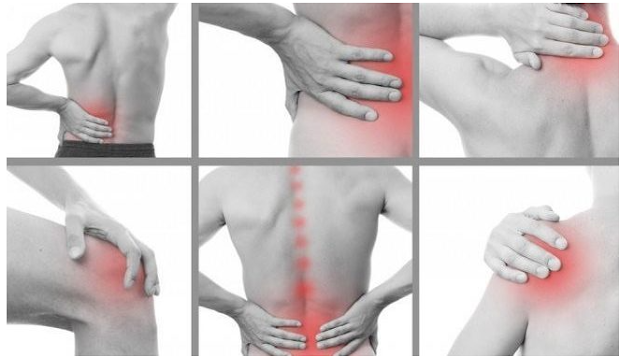
  Introduction Scoliosis is a spinal condition characterized by an abnormal curvature of the spine. While the severity of scoliosis can vary, one common issue experienced by individuals with this condition is chronic pain. Scoliosis-related pain can significantly impact a person's quality of life, making it crucial to explore various treatment options. In this article, we will discuss some effective strategies for managing scoliosis pain . Physical Therapy and Exercise Physical therapy plays a vital role in managing scoliosis pain. A skilled physical therapist can design a customized exercise program to strengthen the muscles surrounding the spine, which helps support proper alignment. These exercises may include stretching, strengthening, and conditioning routines. Physical therapy can also improve flexibility and posture, reducing discomfort caused by scoliotic curvature. Pain Medications Over-the-counter nonsteroidal anti-inflammatory drugs (NSAIDs) such as ibuprofen or naproxe...

What Are the Signs of Scoliosis?

Image
Scoliosis is a medical condition in which the spine curves abnormally to the side, rather than running straight up the middle of the back. This curvature can occur in different parts of the spine, and can vary in severity. In some cases, scoliosis is mild and requires no treatment, while in other cases it can be severe and require medical intervention. Scoliosis can occur at any age, but it most commonly develops during childhood and adolescence. In some cases, the cause of scoliosis is unknown (idiopathic scoliosis), while in others it can be caused by factors such as birth defects, neuromuscular conditions, or injuries. The signs and symptoms of scoliosis can vary depending on the severity and cause of the condition. Here are some common signs of scoliosis: Uneven shoulders: One shoulder may be higher than the other. Uneven waist: One hip may be more prominent than the other. A prominent shoulder blade: The shoulder blade on one side may stick out more than the other. Leaning to one...

Best Yoga for Scoliosis

Image
  Scoliosis is a condition that affects the curvature of the spine. It can range from mild to severe and can cause discomfort, pain, and limited mobility. Yoga can be a helpful practice for individuals with scoliosis as it can help improve posture, increase flexibility, and reduce pain. In this blog, we will explore the benefits of yoga for scoliosis and some yoga poses that can be helpful. Benefits of Yoga for Scoliosis : Improves Posture: Scoliosis can cause the shoulders and hips to become uneven, which can result in poor posture. Yoga can help improve posture by strengthening the muscles around the spine and increasing body awareness. Increases Flexibility: Tight muscles can contribute to scoliosis-related pain. Yoga can help increase flexibility in the muscles around the spine, which can help reduce pain. Reduces Pain: Yoga can help reduce pain associated with scoliosis by increasing blood flow, reducing tension in the muscles, and promoting relaxation. Yoga Poses for Scoliosi...

What are the Main Symptoms of Scoliosis?

Image
 Scoliosis is a medical condition that causes a sideways curvature of the spine. The severity of scoliosis can vary greatly, and some people may not experience any symptoms at all. However, here are some common symptoms of scoliosis : Uneven shoulders: One shoulder may appear higher than the other. Uneven hips: One hip may appear higher than the other. Uneven ribcage: One side of the ribcage may appear more prominent than the other. Back pain: Some people with scoliosis may experience mild to severe back pain, particularly in the lower back. Changes in posture: People with scoliosis may have a noticeable curve in their spine, which can affect their posture. Reduced range of motion: Scoliosis can limit a person's range of motion, making it difficult to bend or twist. Breathing problems: In severe cases of scoliosis, the curvature of the spine can affect lung function and cause breathing problems. If you suspect that you have scoliosis, it's important to speak with a healthcare p...