Posts

Understanding Scoliosis in Children: Causes, Symptoms, and Treatment

Image
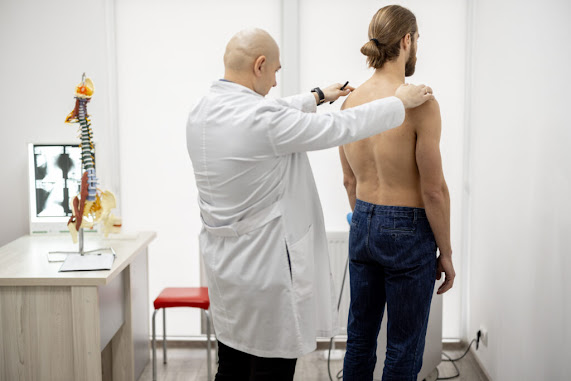
 Scoliosis is a common spinal condition that affects children and adolescents, characterized by an abnormal sideways curvature of the spine. This condition can vary in severity and can have different underlying causes. Early detection and appropriate management are essential to ensure the best outcomes for affected children. Let's delve into the details of scoliosis in children, including its causes, symptoms, diagnosis, and treatment options. What is Scoliosis? Scoliosis is a musculoskeletal disorder that causes an abnormal curvature of the spine. While some degree of curvature is normal, scoliosis involves a sideways curvature that exceeds 10 degrees as measured on an X-ray. The condition can develop at any age, but it most commonly appears during periods of rapid growth, such as childhood and adolescence. Causes of Scoliosis in Children The exact cause of scoliosis in children is often unknown and is referred to as idiopathic scoliosis. However, scoliosis can also be associated...

Best Exercise For Scoliosis

Image
 Exercises for scoliosis should focus on improving spinal flexibility, strengthening core muscles, and promoting overall posture alignment. It's important to note that while exercises can help manage symptoms and improve quality of life, they may not necessarily correct the curvature of the spine. Always consult with a healthcare professional or physical therapist before starting any exercise regimen, especially if you have scoliosis. One can always start with some best exercise for scoliosis . Here are some exercises that are often recommended for individuals with scoliosis: Side Planks: Side planks are excellent for strengthening the muscles along the sides of the body, including the obliques and quadratus lumborum. These muscles help stabilize the spine and promote better posture alignment. Start by lying on your side with your elbow directly beneath your shoulder, then lift your hips off the ground, forming a straight line from head to heels. Hold for 10-30 seconds and switch ...

Boston Brace For Scoliosis

Image
 Scoliosis, a condition characterized by an abnormal sideways curvature of the spine, affects millions of people worldwide. While some cases may require surgical intervention, many individuals, especially adolescents, benefit from non-surgical treatments like bracing. Among the various types of braces available, the Boston Brace stands out as one of the most widely used and effective options. In this article, we delve into the intricacies of the Boston Brace, exploring its purpose, design, usage, and its role in managing scoliosis. What is the Boston Brace? The Boston Brace, also known as the Boston Orthosis or simply the Boston Brace , is a custom-made orthopedic brace designed to halt the progression of scoliosis in adolescents. Named after the Boston Children's Hospital where it was developed in the 1970s by orthotists and orthopedic surgeons, this brace has become one of the most prescribed braces for treating scoliosis worldwide. Purpose and Function: The primary goal of the B...

What is scoliosis? How can you prevent scoliosis?

 Scoliosis is a medical condition characterized by an abnormal sideways curvature of the spine. Instead of a straight line down the middle of the back, a person with scoliosis may have a spine that curves to the side. This condition can develop in different age groups, but it most commonly begins during the growth spurt just before puberty. The causes of scoliosis can vary. Some cases are idiopathic, meaning the cause is unknown, while others may be due to congenital factors, neuromuscular conditions, or secondary to other health issues. Most cases of scoliosis are mild, but more severe cases can lead to health problems if left untreated. Preventing scoliosis is challenging because many cases are idiopathic and have unknown causes. However, there are a few general guidelines that may contribute to maintaining spine health: Maintain a healthy lifestyle: Engage in regular physical activity to strengthen the muscles that support the spine. Exercises that focus on core strength and fl...

Navigating Life with Adult Scoliosis

Image
  Adult scoliosis is a spinal condition that affects individuals beyond their adolescent years, presenting unique challenges and considerations. While scoliosis is commonly associated with adolescence, it can also manifest or progress later in life. In this blog post, we will explore the key aspects of adult scoliosis, including its causes, symptoms, diagnosis, and various strategies for managing and thriving with this condition. Understanding Adult Scoliosis: 1. Causes and Types: Explain the common causes of adult scoliosis, including degenerative changes, genetic factors, or the progression of untreated adolescent scoliosis. Briefly touch upon the different types of adult scoliosis, such as degenerative scoliosis, idiopathic scoliosis, and secondary scoliosis. 2.  Symptoms: Discuss the potential symptoms associated with adult scoliosis, such as back pain, stiffness, and changes in posture. Emphasize the importance of early detection and seeking medical attention for a proper...

Understanding the Causes of Scoliosis

Image
Scoliosis is a medical condition that affects the curvature of the spine, causing it to bend sideways. It is a prevalent condition, particularly among adolescents, but can occur in individuals of all ages. While scoliosis is a well-known condition, its causes are still a subject of ongoing research and debate. In this blog, we will delve into the various factors that may contribute to the development of scoliosis and gain a better understanding of this condition. Idiopathic Scoliosis Idiopathic scoliosis is the most common type, accounting for about 80% of all scoliosis cases. The term "idiopathic" means that the exact cause is unknown. However, researchers have identified several risk factors that may play a role in its development: Genetics: Family history appears to be a significant factor, as scoliosis often runs in families. If a close relative has scoliosis, the risk of developing it is higher. Growth Spurts: Scoliosis often develops during growth spurts, such as the...

Scoliosis and Pregnancy

Image
Scoliosis is a medical condition characterized by an abnormal sideways curvature of the spine. If you have scoliosis and are considering pregnancy, it's essential to understand how the condition may impact your pregnancy and how pregnancy might affect your scoliosis. Consult with Healthcare Providers: Before attempting to get pregnant, it is crucial to have a thorough discussion with your healthcare providers, including your primary care doctor and an obstetrician/gynecologist (OB/GYN). They can assess the severity of your scoliosis, its progression, and any potential risks or complications during pregnancy. Impact on Pregnancy: In most cases, scoliosis does not directly affect a woman's ability to conceive or carry a pregnancy to term. However, severe scoliosis or complications related to the curvature of the spine might impact the space available for the growing uterus, potentially leading to discomfort or issues during pregnancy. It's essential to monitor the progressio...